





A 'Secret' Fabric Hunting Adventure in Paris April 2025


Embark on an exclusive 'secret tour' through Paris to experience hidden gems including the Manufacture des Gobelins, Toile de Jouy Museum, and the Saint Ouen flea market!
This ‘secret’ 5 day/4 night tour to Paris in spring time is a fabric lover’s dream, offering an inspiring adventure through the city’s rich textile history and markets.
Limited places are available, if you wish to join us on this wonderful tour, please register so we can send you full tour details.
Bookings will be taken on a first-come-first-serve basis.
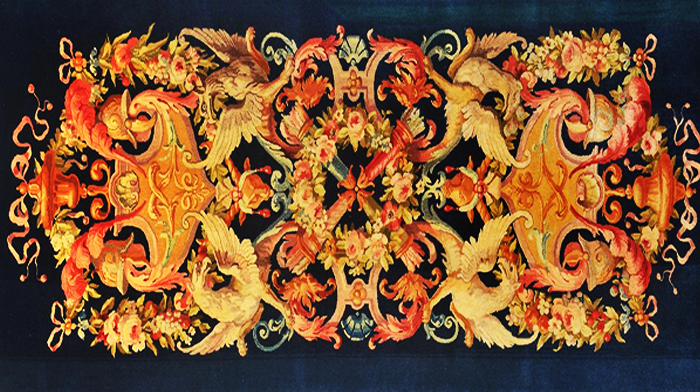
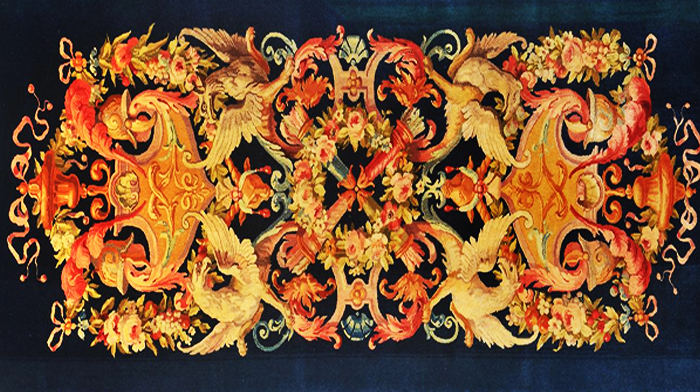
Begin your stay with a visit to the renowned Manufacture des Gobelins for a guided tour that unveils the artistry of French tapestry-making.
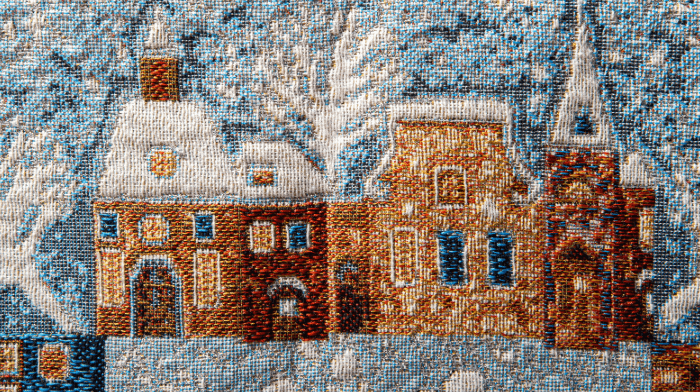
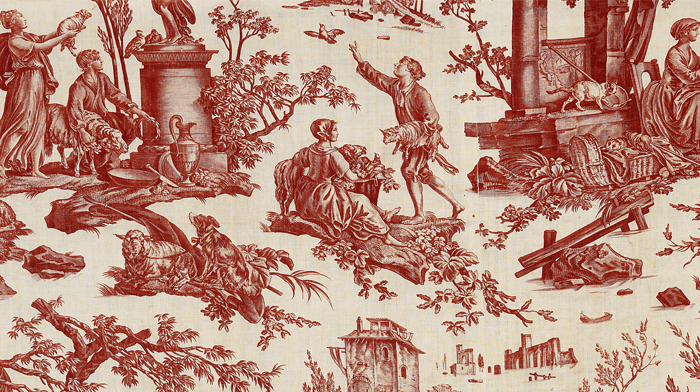
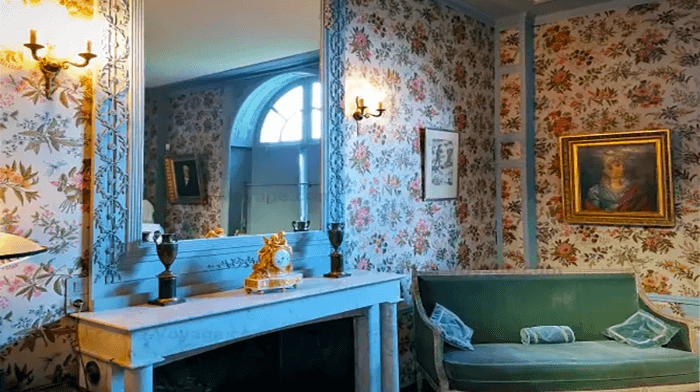
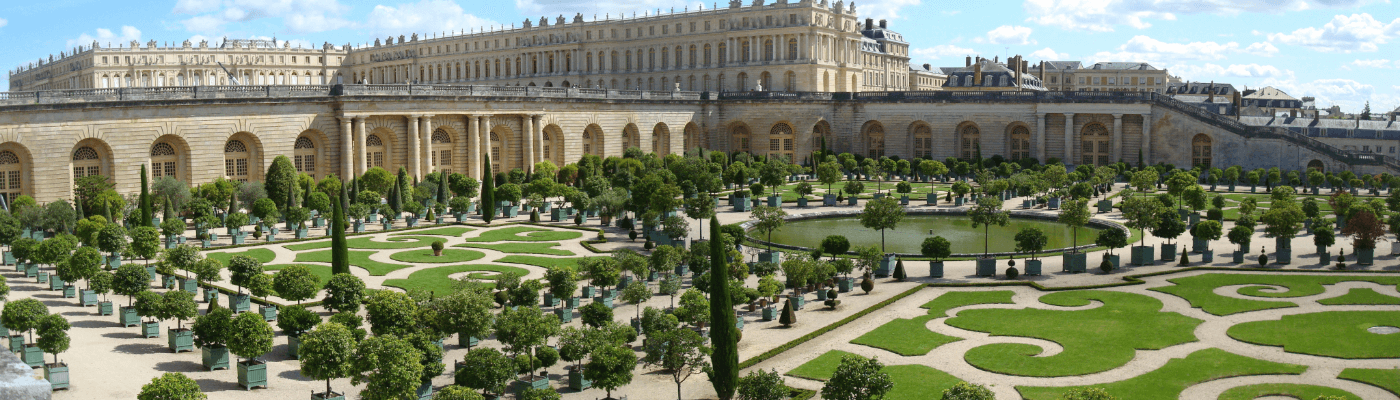
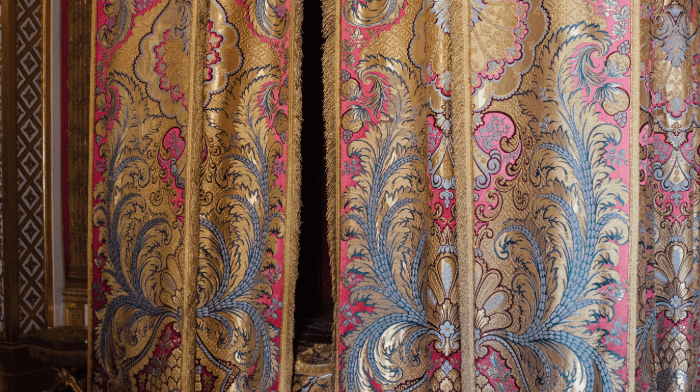
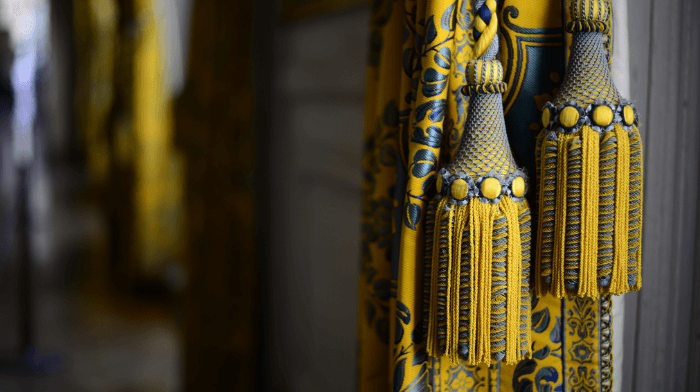
Continue to the Toile de Jouy Museum, where intricate fabric designs reveal stories of the past. Enjoy an afternoon exploring the opulent Palace of Versailles, its grandeur echoing through the famed Hall of Mirrors. There are so many exquisite textiles to see here - look out for velvets, satins and brocades all richly embellished with spun gold thread, tassels, braids and trimmings galore!
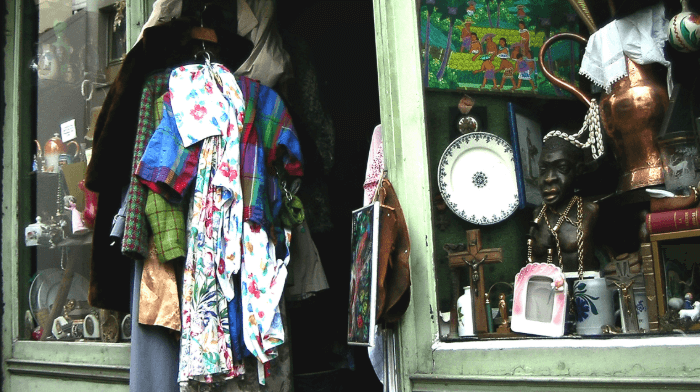
A visit to Saint Ouen flea market, with its myriad stalls offering hidden gems, provides the perfect opportunity to hunt for unique fabric treasures and vintage finds. You will also enjoy an unforgettable breakfast at Le Train Bleu, the iconic belle époque restaurant that blends elegance with Parisian culinary delights.


What We Love
Experiences you will treasure
How much is it?
A Deeper Dive
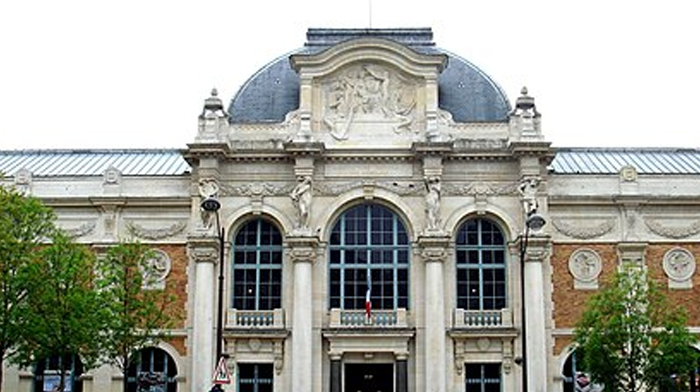
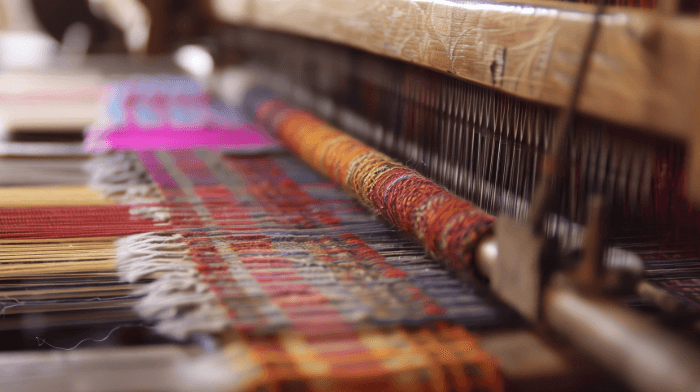
Established in the 17th century, this historic tapestry factory established is renowned across the world for its intricate and exquisite textile craftsmanship. It has produced tapestries and fabrics for French royalty and notable institutions for centuries, representing the pinnacle of French artistic weaving and design.
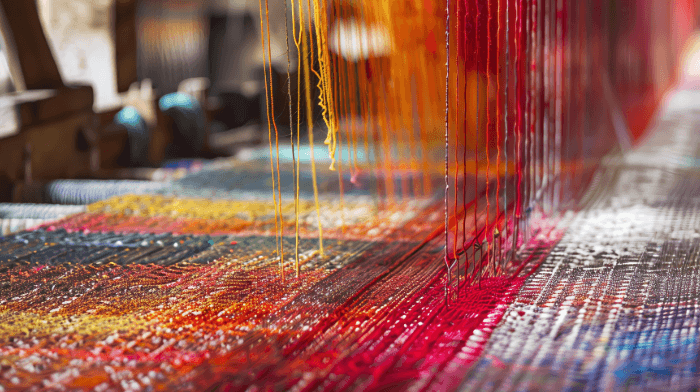
Unlike most contemporary western looms, the Gobelin style of tapestry loom doesn't have foot pedals for warp separation. Instead, a dowel is used to hold one shed apart through which the weft is woven, while leashes catch the opposite shed. (A 'shed' is the temporary space between raised and lowered warp threads that allows the weft thread to pass through. 'Leashes' are pieces of string that are tied in a loop and speed up the weaving process.) The weaver grabs the leashes with one hand, pulling with the other hand and inserting the thread through the gap in a rhythmic sequence of movements.
Today, the Manufacture des Gobelins is run by the General Administration of the National Furniture and National Manufactures of Carpets and Tapestries of the Ministry of Culture, a body dedicated to preserving traditional techniques and showcasing France’s rich artistic heritage. You will enjoy a guided tour of the factory and be introduced to the techniques and tools used to create this detailed and beautiful work.
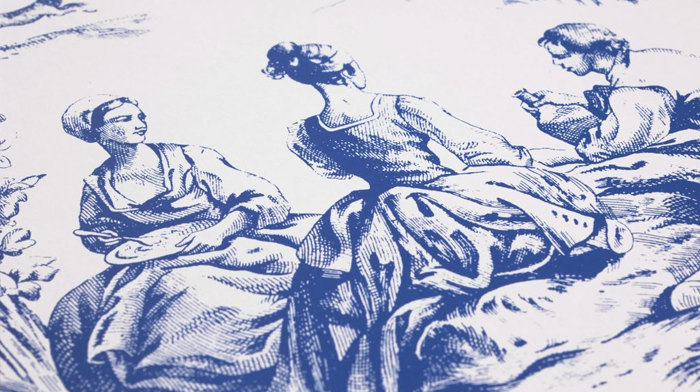
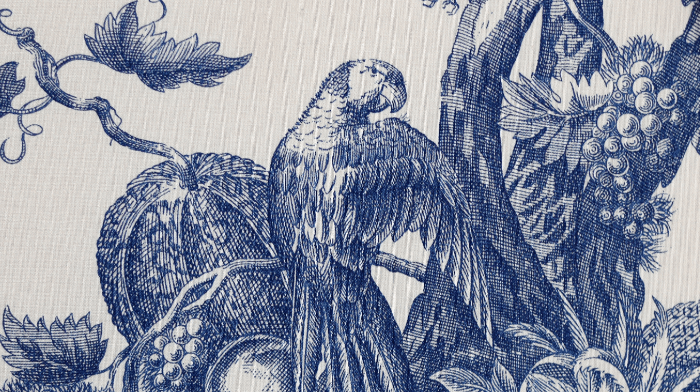
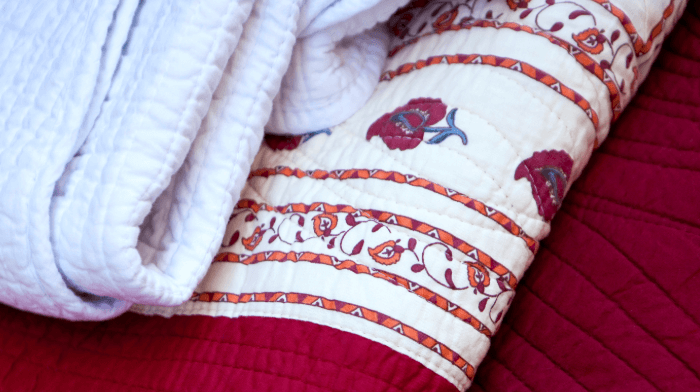
The Toile de Jouy Museum is dedicated to showcasing the history and artistry of this iconic French fabric known for its intricate pastoral and historical scenes. While the technique is thought to have first appeared in Ireland, it was the 18th century artisan Christophe-Philippe Oberkampf who made it famous having established a cotton printing factory in Jouy-en-Josas, near Versailles in 1762.
The museum was established to preserve Oberkampf's legacy and contains displays of original patterns, tools and techniques illustrating how these iconic prints were made. You will enjoy a guided tour of the museum and have the opportunity to see works from this historic collection up close.
The Saint-Ouen flea market, locally known as 'Les Puces de Saint-Ouen', is the crown jewel of Paris’ vintage and antique scene.
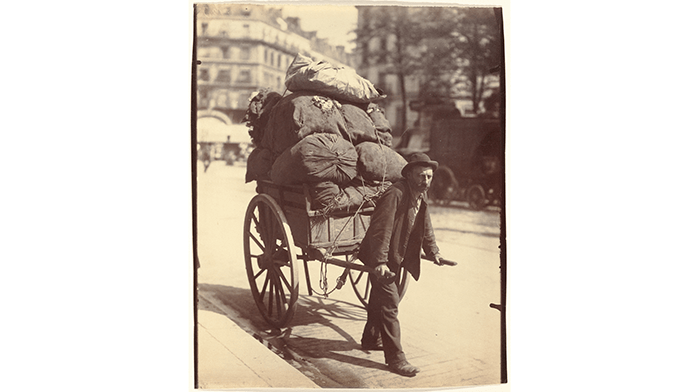
Its beginnings date back to the late 19th century when there was no rubbish collection in the city. Ragmen, known as 'chiffonniers', would pick through the detritus looking for objects they hoped to sell. Textiles were very sought after as they were easy to recycle and highly valuable and the chiffonniers would lay out their finds along the narrow strip of land beyond the Thiers wall for the weekend day-trippers flocking through the Porte de Clignancourt to buy.
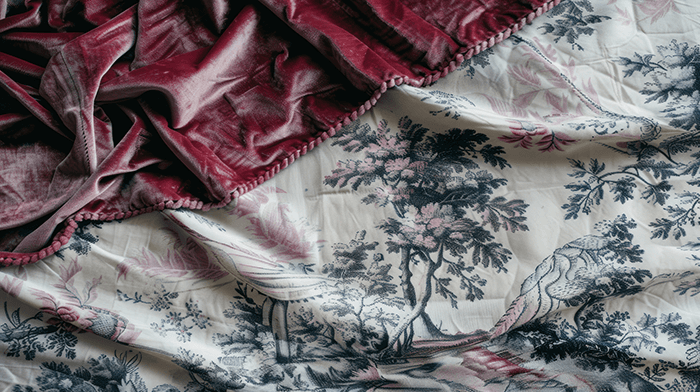
By the late 19th century, there were 25,000 chiffonières in France, so many that they were banished from Paris. A small community of them settled in the village of Saint-Ouen. The trade in textiles was such that some, under cover of darkness and guided only by the light of the moon, returned to Paris with the tools of their trade, a long hook or fishing rod, which they used to ‘liberate’ laundry from clothes lines. This earned them the nickname 'pêcheurs de lune' - fishermen of the moon!
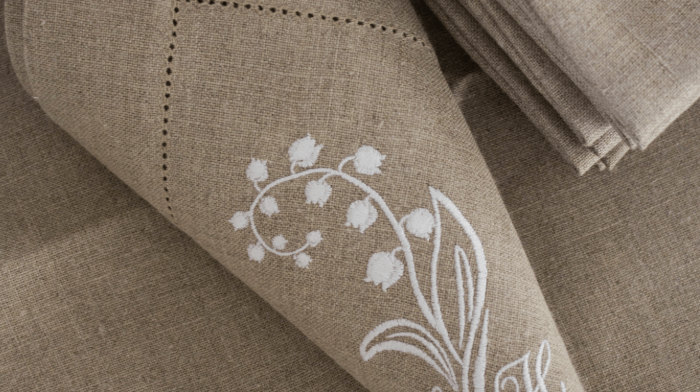
Today, the Saint Ouen market is one of the largest and most eclectic flea markets in the world. Sprawling across seventeen acres of Paris’ 18th arrondissement, it comprises 15 sections and draws more than 1,700 vendors. It remains a treasure trove for fabric and textile enthusiasts.
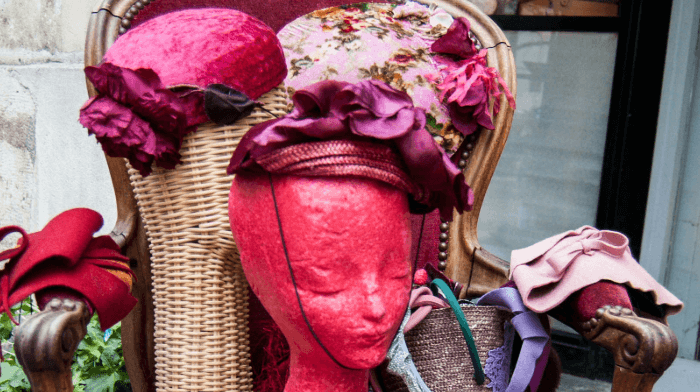
Enjoy meandering through winding alleys where boutique stalls brim with everything from brocade and toile de Jouy, to handwoven silk panels and antique lace. Passionate collectors will revel in rummaging through booths piled high with sumptuous velvets, rich tapestries and rare vintage fabrics that speak of opulent salons and Parisian couture houses. Some vendors even offer swatches of 19th century jacquard and delicate embroidery, perfect for creative projects or simply as tactile mementos.
Other treasures include mother-of-pearl buttons, intricate passementerie and vintage trims that could elevate any sewing project to a work of art. Many of the vendors are experts in their craft and are eager to share their knowledge and stories about each piece.
Notable sellers to look for:
Francine Dentelles (Allée 7 stand 121/123 - Marché Vernaison) specialist in lace ("dentelles"), with a good selection of more general vintage fabrics, accessories, linens and tablecloths.
Janine Giovannoni (Angle Allées 3 and 7 Stand 141) sells beautiful Vernaison period linens.
Hélène Sofer ( Allée 1 stand 40) knows everything about the history and use of Vernaison fabrics and has a wonderful selection of period fabrics.
Laure de Villoutreys has curtains, ribbons galore and cotton clothing from the 18th century to the 1950s (Allée 6 Stand 101 | Marché Vernaison)
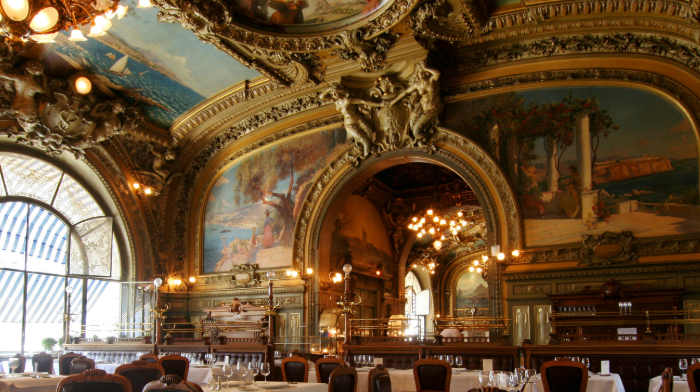
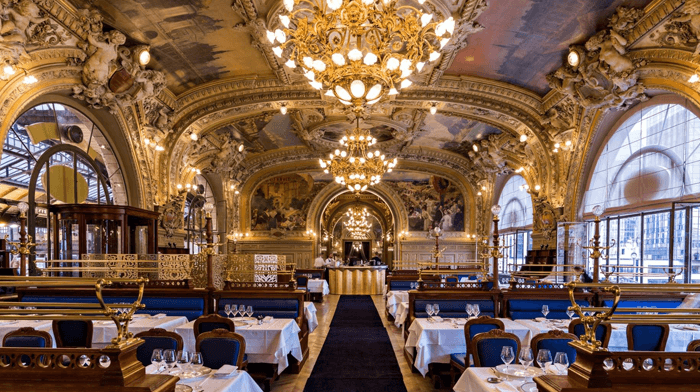
Le Train Bleu, in Paris' Garde de Lyon, has been a symbol of luxury and elegance since it first opened in 1901. Originally named 'Buffet de la Gare', it was renamed in 1963 after the famed 'Train Bleu', a luxury express train that connected Paris to the French Riveria. Designed for travellers of the Belle Époque, the cafe's opulent interior features ornate ceilings, gilded moldings and murals depicting scenes of French landscapes. It was listed as an historic monument in 1972 and continues to evoke the romance of vintage rail travel and the sophistication of French dining.
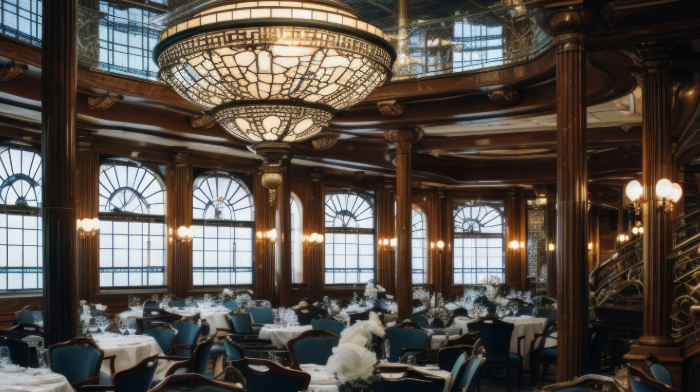
You will enjoy breakfast here on day two. Look forward to flaky, buttery croissants paired with house-made jams, perfectly golden brioche and crisp, freshly baked baguettes. For heartier options you may also wish to try perfectly cooked eggs of your choice, fine cheeses and charcuterie.
Warm and engaging, Sandrine has an insatiable curiosity for history and the arts and holds an Art and History of Art degree from La Sorbonne in Paris.

Sandrine was born in France but has lived in the UK for over 28 years. She is fluent in English and French and can also converse in Spanish and Italian.
An independent Blue Badge Guide and lecturer, Sandrine has over ten year's experience leading tours. She is also a keen sewer and is more than happy to share French sewing terms!
48.856613, 2.352222
48.804867, 2.120355
We'd love to hear from you
We look forward to arranging your future holiday, and with over twenty years of experience we are here to help with any questions you may have.
0800 298 0588
Like to learn more? Just give us a call or send an email. We're here to help!