




Norway Quiltmeeting 2027 in Oslo


Textile Tours
Short City Breaks with a Twist
Quilting Tours
Norway Quiltmeeting 2027 in Oslo
Enjoy a 3-night, 4-day holiday to the National Norway Quiltmeeting 2027 in the city of Oslo.
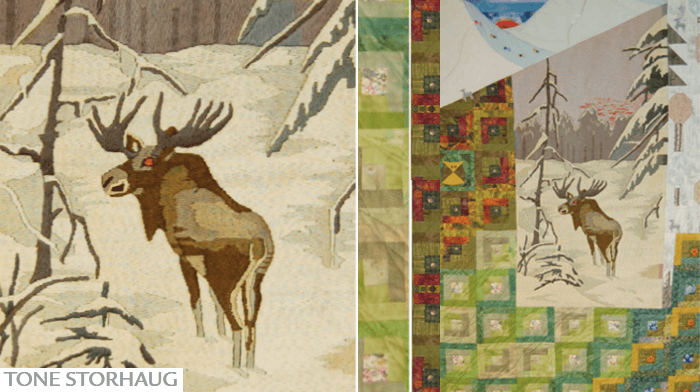
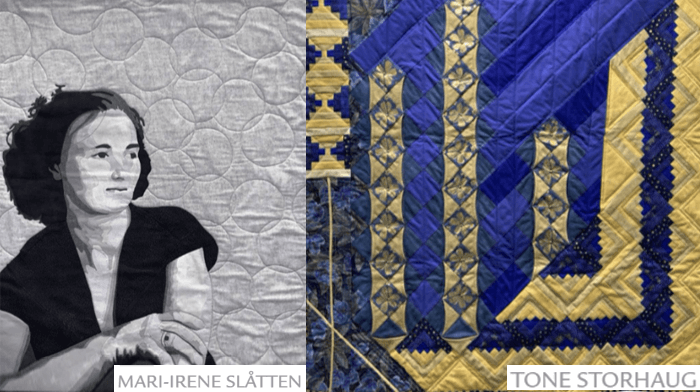
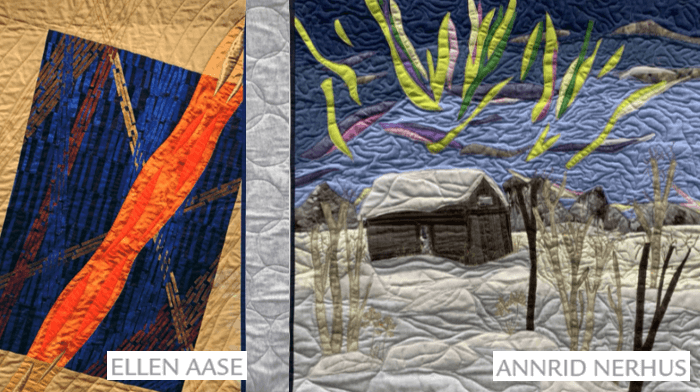
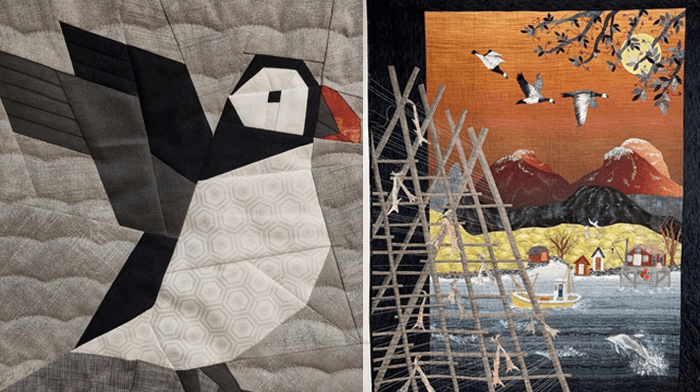
Presented by the Norwegian Quilt Association (Norsk Quilteforbund - NQF) this annual quilt show offers a unique opportunity to explore the rich quilting traditions and contemporary innovation of Norwegian quilters. With a deep connection to the country’s natural landscape and cultural traditions, their designs often incorporate natural hues and patterns inspired by the country’s stunning fjords, forests, arctic scenery, folklore and Viking legacy.
The guest speaker for NQF 2027 is yet to be announced; we will be updating information once this is confirmed.
Your stay includes accommodation in an excellent central location, giving you easy access to Oslo's highlights.


What we Love
Experiences you will Treasure
How much is it?
What's Included
Itinerary - what you will do when
Where you will stay
Flight Info
A Deeper Dive
We spoke to Sissel Byberg, the Chair of the Norwegian Quilt Association about the show, Norwegian quilts and her own love of textile art.
ECT: We take groups to quilt shows all over the world – what makes the Norwegian Quilt Meeting stand out?
SB: The atmosphere, the sound of laughter and the chatter of members eagerly exchanging details of what they have sewn since the last time. There is also the excitement over who will be awarded prizes in the competition, the inspiration and news found in the on-site stores and, of course, the joy of seeing beautiful quilts of all genres in the exhibition. It’s always interesting to see how quilts sewn according to the same pattern can give completely different impressions depending on which colours are chosen. Norway is a small country, and Norsk Quiltetreff is a source to meet once a year. As one member said when she came home, “Norsk Quiltetreff is the happening of the year and a watering hole of inspiration and gathering with like-minded people.”
ECT: Many of the quilts will have been made by Norwegian quilters – what should we look out for?
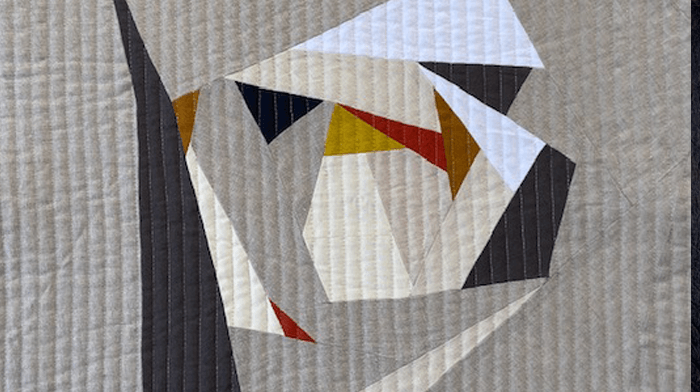
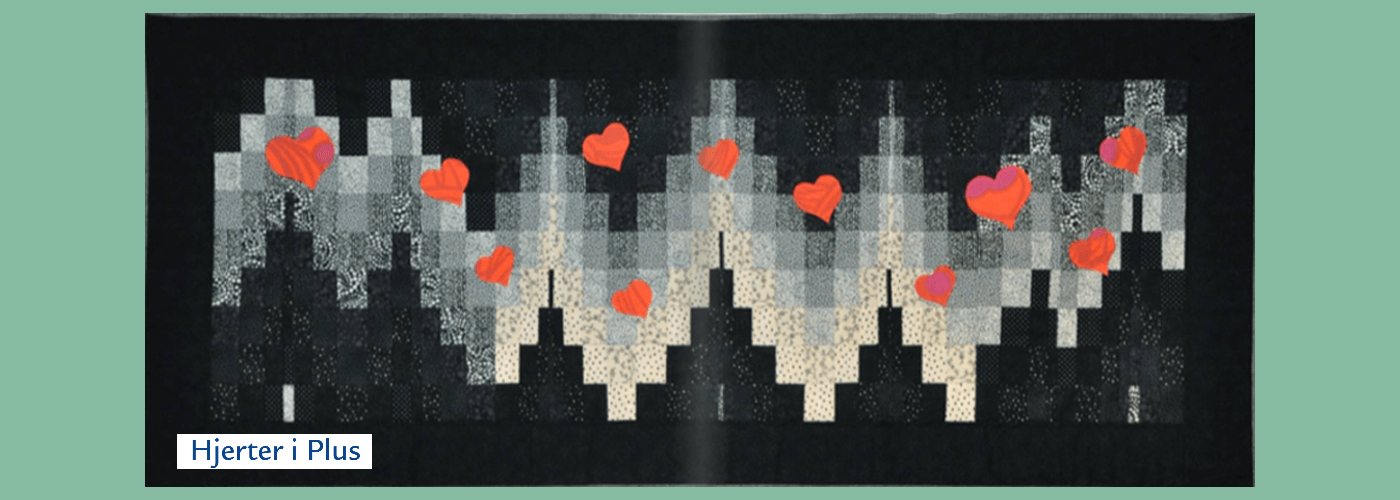
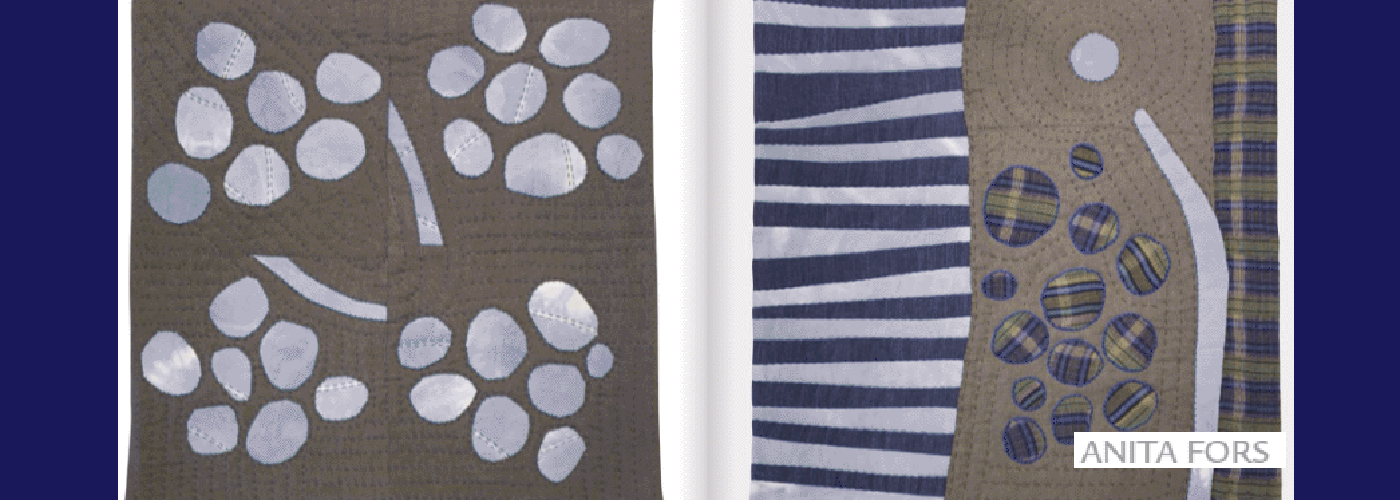
SB: Most of the quilts in our exhibition are sewn by Norwegian quilters. Like the rest of the world, we are keen that our pieces reflect our creativity. We have a wide selection among our members, ranging from traditional to modern and art quilts, but many dye their own fabrics and use different materials in their quilts. Hand sewing with hand application and English Paper Piercing (EPP) are also in fashion.
ECT: You are one of these Norwegian quilters - tell us something what you make and why.
SB: I sew quite a lot in most genres, but sewing by hand with EPP, stitchery and hand appliqué is probably what is closest to my heart. Sitting hand sewing is relaxing, either listening to an audio book, or in an armchair in front of the TV. I may well sew right through a movie only to find it has suddenly ended! I also do a lot of machine sewing. I prefer modern machine quilting and I like to make quite large rugs that live around the house, either hanging on a wall, across the sofa or as a bedspread. I also have a passion for hand quilting.
Norway's capital sits on the country’s southern coast at the head of the Oslofjord and is known for its green spaces and museums. Here are our suggestions of places you won't want to miss.
Akershus Fortress
Situated in the centre of Oslo, and surrounded by green space, Akershus Fortress has been at the centre of Norway’s growth and development for 700 years. Dating from 1299, this Medieval castle and royal residence developed into a fortress in 1592 and was rebuilt into a Renaissance castle between 1637 and 1648. You can explore the fortress using the fascinating Fortress Trail (available in English) which includes QR coded way points. The trip lasts about 50 minutes at average walking speed.
Fineart Oslo
Norway’s largest gallery is centrally located between Tjuvholmen and Aker Brygge. There are three large exhibition halls, including one dedicated to photography where high-quality works by Norwegian and international photographers are always on display. The gallery boasts frequently changing exhibitions as well as large solo exhibitions several times a year.
This area is brimming with galleries, including Astrup Fearnley Museet (closed Mondays), one of Scandinavia’s most notable contemporary art museums. The building itself was designed by renowned Italian architect, Renzo Piano and is situated by the fjord. There are plenty of cafes and restaurants here too where you can eat and drink with a wonderful view of the Oslo fjord.
Fram Museum - the Polar Exploration Museum
This is the place to learn more about the polar expeditions and climb aboard ‘Fram’, the strongest wooden ship ever built. (Even today, no ship has sailed further north and south.) On board you will see how the crew and their dogs managed to survive in the coldest and most dangerous places on earth - the Arctic and the Antarctic. The museum also has a polar simulator where you can experience the cold and the dangers of polar expeditions more than 100 years ago. Next to the main building is the Gjøa building which stages exhibitions on the Arctic and the Northwest Passage.
Historical Museum (closed Mondays)
Located on Frederiks gate 2, this museum is home to Norway's largest collection of ethnographic and historical artifacts, from the Stone Age to modern times.
The Kon-Tiki Museum
Kon-Tiki is the balsawood raft on which explorer Thor Heyerdahl famously crossed the Pacific Ocean in 1947 and it is on show (along with other reed vessels from Heyerdahl’s expeditions to Easter Island, Fatu-Hiva, Tùcume and Galapagos), in this intriguing museum. Visitors can also go on a 30-metre cave tour, see an underwater exhibit with a 10-metre model of a whale shark, browse Heyerdahl’s library and watch a screening of the Oscar-winning, 1950 Kon-Tiki documentary. (This is shown at 12 noon every day in the cinema on the lower level.)
Munch Museum
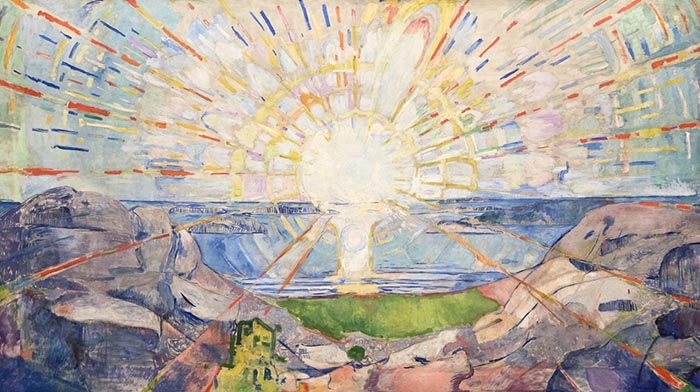
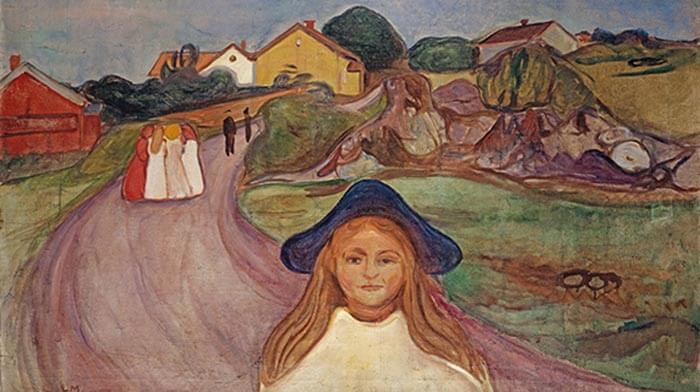
This striking building is home to the world's largest collection of Edvard Munch paintings. Spread over 13 floors, the collection ranges from world famous masterpieces such as The Scream, The Sun, Madonna, The Dance of Life and Love and Pain to little known gems and reveals the versatility of Munch’s diverse artistry. There is also an ever-changing programme of exhibitions.
The museum is a great place to eat too. The ground floor café serves freshly brewed coffee, delicious baked goods and snacks made with fresh ingredients, while the restaurant is open for both lunch and dinner. And don’t miss the Sky Bar where the cocktails come with spectacular views over Oslo.
The Natural History Museum
Part of the University of Oslo, the museum consists of the Botanical Garden and the museum buildings at Tøyen in central Oslo.
The National Museum (closed Mondays)
Located in the centre of Oslo, by the Aker Brygge wharf, the National Museum is place to see older, modern and contemporary art, architecture and design under one roof and in completely new ways.
Nobel Peace Centre
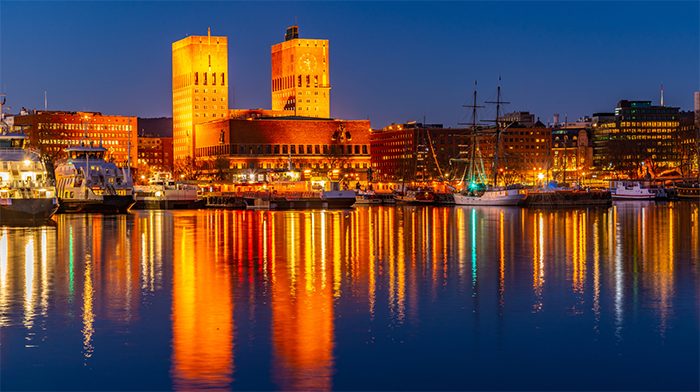
Located at Oslo City Hall Square, in the converted 1872 train station, the Nobel Peace Centre is the museum for the Nobel Peace Prize. It depicts engaging stories about Alfred Nobel, the Peace Prize and the Peace Prize laureates through a changing programme of exhibitions, conventions and digital experiences. Among the permanent highlights are the Medal Chamber where you can see a real Peace Prize medal and Nobel’s Field, a deeply evocative room in which every Peace Prize laureate is represented, surrounded by one thousand lights.
Norsk Folkemuseum (closed Mondays)
This open air museum located at the Bygdøy peninsula, approximately 5 km west of Oslo city center, is Norway’s largest museum of cultural history. It shows how people lived in Norway from 1500 to the present. The 160 buildings represent different regions in Norway, different time periods, as well as differences between town and country and social classes. The Gol Stave Church dating from 1200 is one of five medieval buildings at the museum. Contemporary history is presented through exhibitions and documentation projects. Permanent indoor exhibitions include folk art, folk costumes, toys and Sami culture. There is also a variety of temporary exhibitions and audience programs all year round.
Opera House
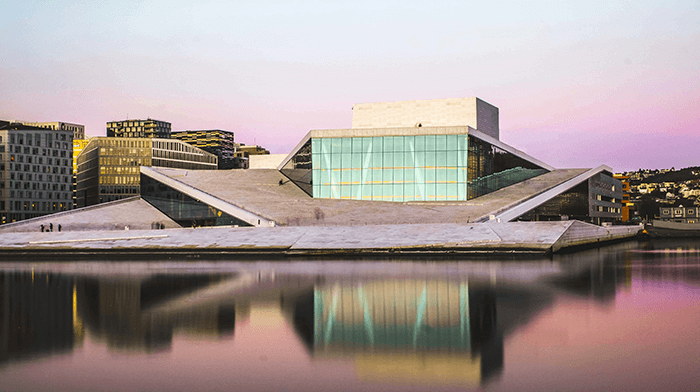
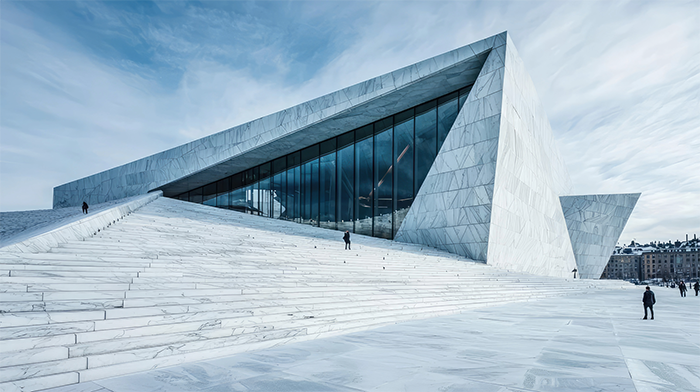
Appearing to rise out of the harbour water, this striking, angular, white building is home the Norwegian National Ballet, the Opera Orchestra and the Ballet School. Designed by the Norwegian architecture firm Snøhetta, the building has received several prestigious awards. The roof, which visitors are invited to climb, offers panoramic views of Oslo and the fjord, while the large-scale windows at street level provide the public with glimpses of rehearsals and workshop activities. Inside, the building is mainly oak and the main hall is shaped like a horseshoe, reminiscent of classical theatres of the past. Guided tours available in Norwegian and English. Pre-booking is required and can be done on the Opera House website.
The Vigeland Museum (closed Mondays)
Located in the studio and home of sculptor Gustav Vigeland (1869-1943) - regarded as one of the finest examples of neo-classical architecture in Norway - this museum's collection comprises Vigeland's early works, portraits, monuments and work in progress. Plaster models or his sculptures are displayed in the park.
The apartment where Vigeland lived from 1924 until he died in 1943 is situated on the third floor of the museum. It has been restored and appears as it did at Vigeland's time. Vigeland has designed most of the interior of the apartment, including candlesticks, lamps and textiles.
Oslo has plenty to offer shoppers and browsers.
Stores to See
Kathrines Quilte Stue, Frederik Stangs gate 41, Frogner, NO-0264
This is a long-established quilt supplies store. As well as a large selection of cotton fabrics and supplies, there is also a quilt cafe.
Glasmagasinet, Stortorvet Square
This historic department store, known for its beautiful architecture and elegant interior design, specialises in design and homeware.
Districts & Malls
Byporten Shopping, Jernbanetorget 6, 0154
Located next to Oslo Central Station, this modern mall has a wide variety of shops from fashion to electronics.
Grünerløkka,
This lively district, known simply as Løkka to the locals, is a 10-15 minute walk from the city centre. Cross over Anker Bridge and you arrive at Markveien, arguably Oslo’s most interesting shopping area with an abundance of small, independent shops and galleries stretching all the way up to Sannergata.
Majorstuen
Located behind the Royal Palace, this popular shopping area has a wide selection of shops from large department stores such as Eger and Steen & Strøm, where you can shop for luxury brands and designer products.
Paleet, Karl Johans Gate
If you're looking for luxury, then this elegant mall is the place for you. Home to the likes of Chanel, Dior and Gucci, it offers high end fashion, accessories, beauty and lifestyle.
Before You Book
- Please read our Booking Conditions
-
This tour requires a minimum of 8 passengers to run. Please refer to point 7 in our booking conditions for more information
-
This tour is suitable for most guests, but if you have any concerns or a specific mobility issue, please let us know ahead of booking
-
From 12th October 2025, the EU will introduction a new Entry/Exit System (EES), changing requirements for UK nationals travelling to the Schengen area:
- UK travellers must provide biometric details (fingerprints and a photo) on arrival, potentially resulting in longer immigration queues
- No fee applies for the biometric registration
- Please refer to our Booking Conditions for more information
-
For all travellers booking from outside of the UK to join this tour departing from the UK, please check if you need a ETA Visa

59.913868, 10.752245
Travel Inspiration - Now Booking
You might also be interested in the following tours


We'd love to hear from you
We look forward to arranging your future holiday, and with over twenty years of experience we are here to help with any questions you may have.
0800 298 0588
Like to learn more? Just give us a call or send an email. We're here to help!